Blog Archives
Small Sandpiper
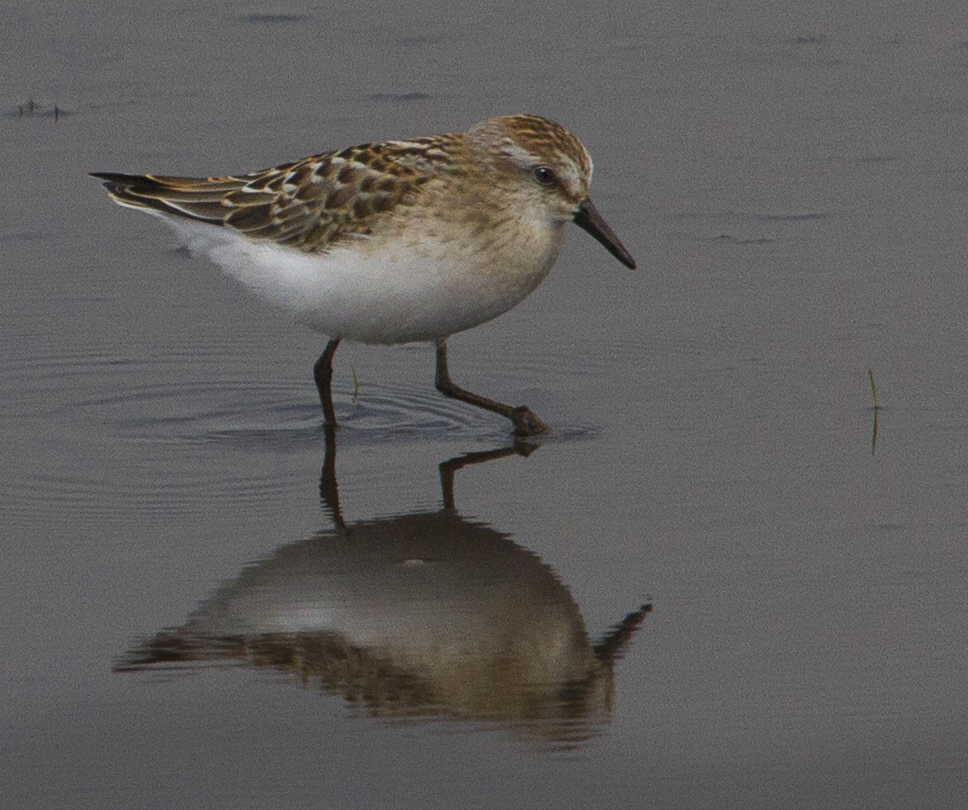
 Friends, this is a very small bird and pushing the limits of my telephoto lens, but couldn’t resist sharing his wing stretch with all of you. I think he is a semi-palmated Sandpiper, but the experts out there will probably help with his id. Semi-palmated meaning his feet are slightly webbed, but as you can see that part of his anatomy is not accessible. Black legs and feet so is probably more sandpiper than plover. The image below shows his beautiful back feathers. til Tomorrow MJ
Greater Sandhill Cranes
 Friends, This Greater Sandhill Crane is tiptoeing through the meadows of Crex in search of food. Their rust colored feathers are being replaced by their more formal gray of winter. When the molting season is here, one can find many feathers along the road and lakes where the cranes are busy pulling out old feathers and growing new ones. The red head and white cheek patch signify that this is an adult bird. Soon they will be flying over every morning from their roost site and every evening into their roost site. They migrate to the Texas Gulf Coast and to Florida, mostly an eastern route thru Jasper-Pulaski National Wildlife Refuge in Northern Indiana. On the way they eat grains, mollusks, and any grasshoppers that might still be roaming about. When they are here at Crex, they often gather in large groups to dance and call, celebrating the raising of the young. They are quite the spectacle until the snow flies, then one day they are gone and we are sad, but we wait patiently (?) until they return in the spring. til Tomorrow MJ
Kingfisher Day
 Friends, this kingfisher female is either molting or is a young one just getting feathers, she was a pretty good fisherwoman so maybe an adult molting. I wish i knew more about the various birds, but there is time for only time for so many passions in one’s life, and photography rates higher than birding, oh well, below is another kingfisher in flight, still practicing my flying shots, til Tomorrow MJ

Blue Heron Takeoff
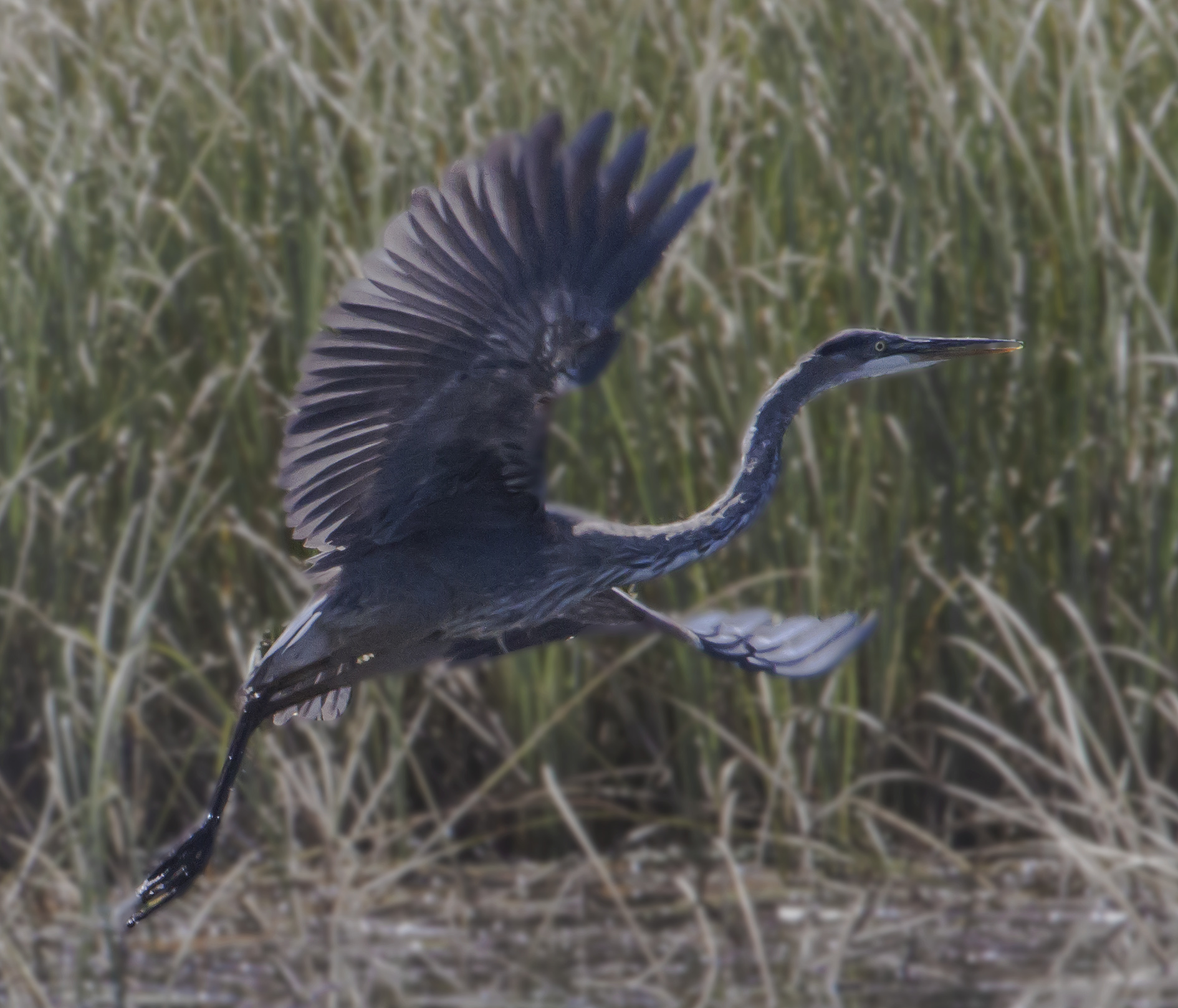 Friends, this big blue heron takes off from a hiding spot in the marsh, we surprised him and he left the scene immediately. Had to dull down the background a little to make him more of the subject of the image, Hope you forgive a little photoshoping. I am practicing for the cranes in Crex and the Hawk Ridge in Duluth, both events are coming shortly. Probably all flying shots. til Tomorrow MJ
Weekly Photo Challenge:Merge
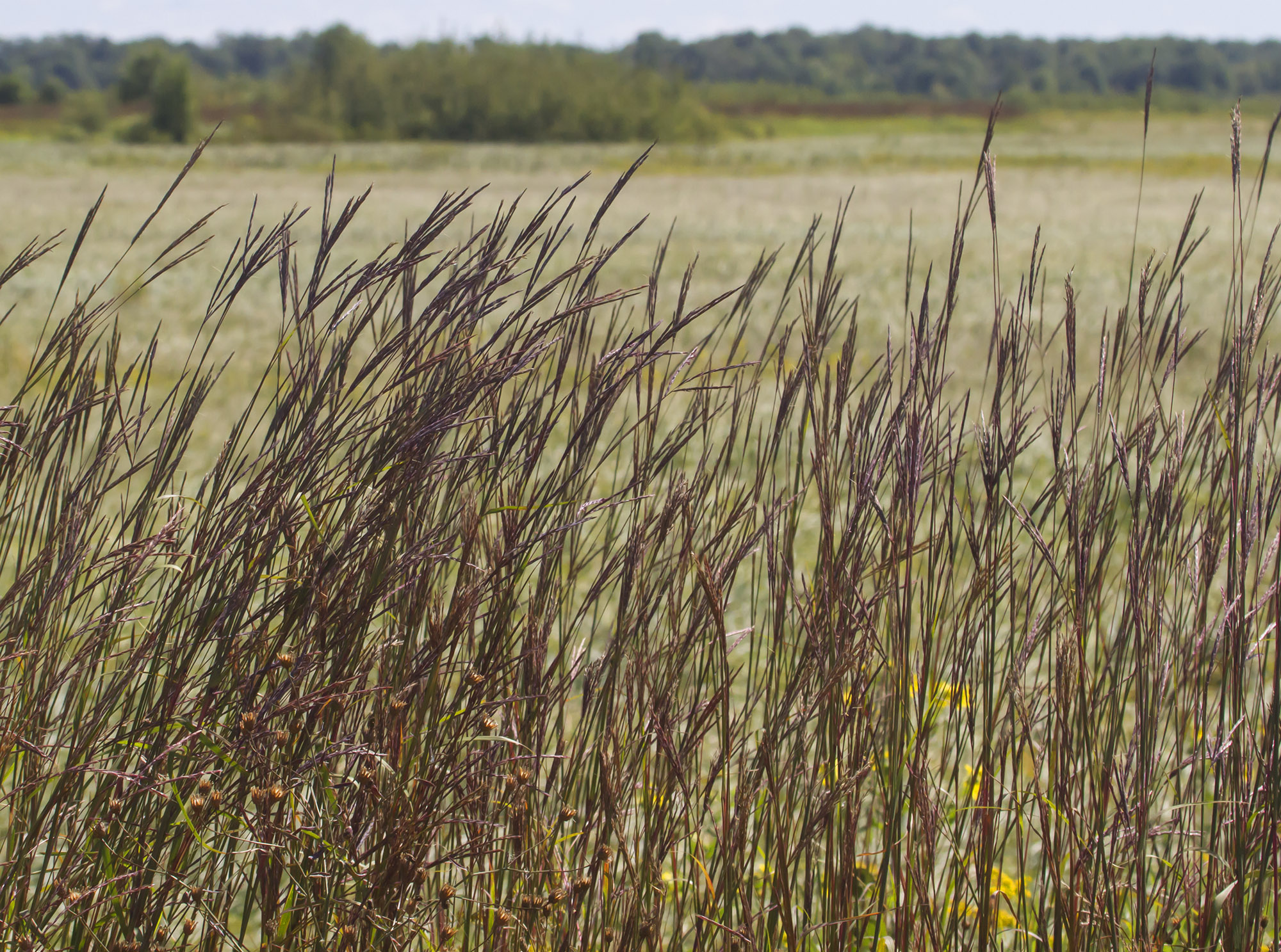
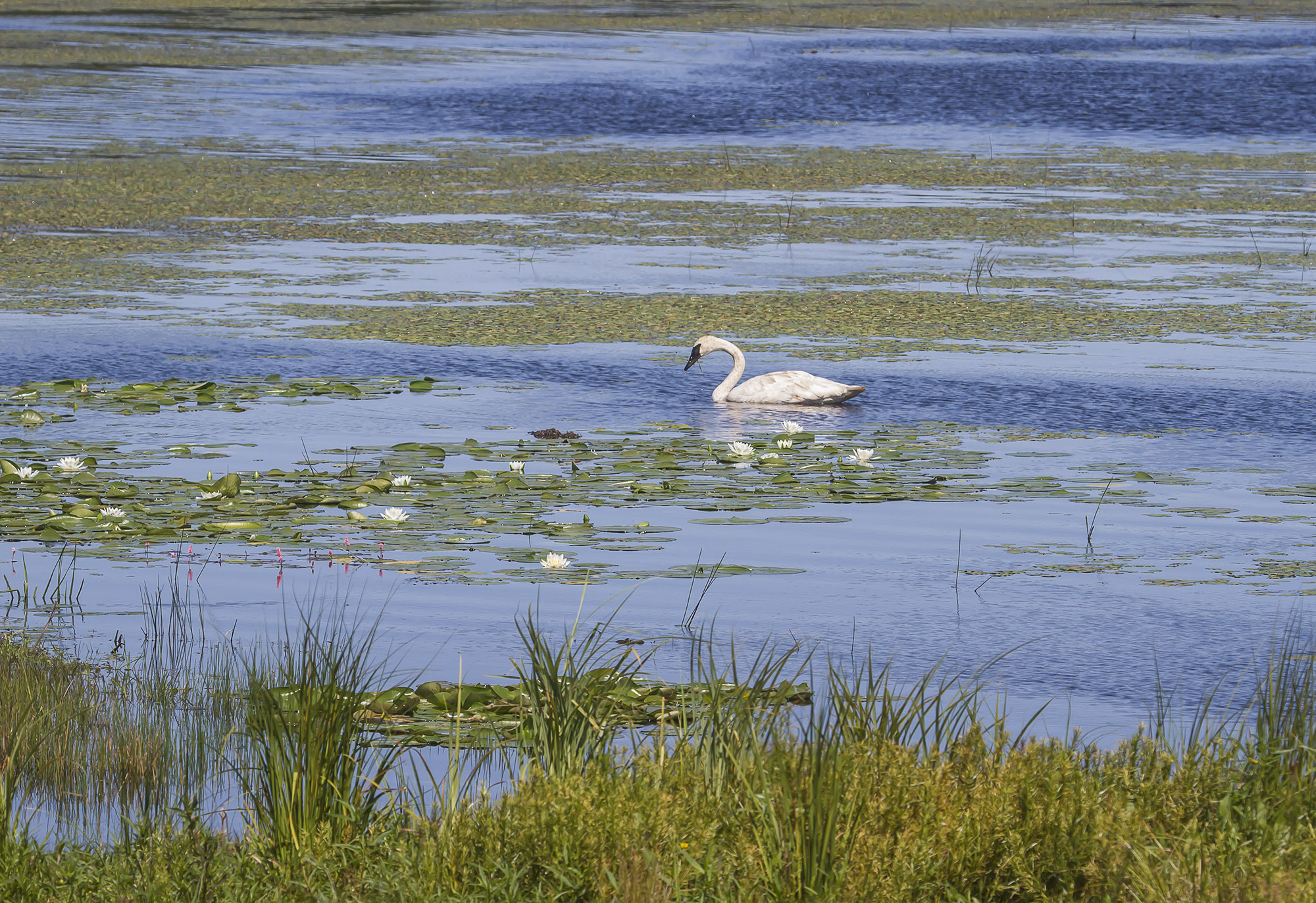 Friends, on a lovely day in late August, Crex Meadows is at its best. This is a landscape shot of the marshes of Crex. These wetlands are merged with the drier prairie as shown by the image below. These two photos were taken on one spot on the road, one facing west and the other facing east. They merge seamlessly in the sandy pine barrens of Northwestern Wisconsin. I usually take photos of the wildlife and especially the birds, but today was such a lovely sunny day that i backed out the telephoto to show you more of the surroundings. The waterlilies are still blooming and the Trumpeter Swans are still pulling roots from the water. Below is a less attractive image taken on the other side of the same road but shows the Big Blue Stem grasses. Behind the grasses is a row of trees, mostly oaks. Crex houses many different environments and merged together they make up the sandy pine barrens of Northwestern Wisconsin. enjoy til Tomorrow MJ
Snipe Hunt
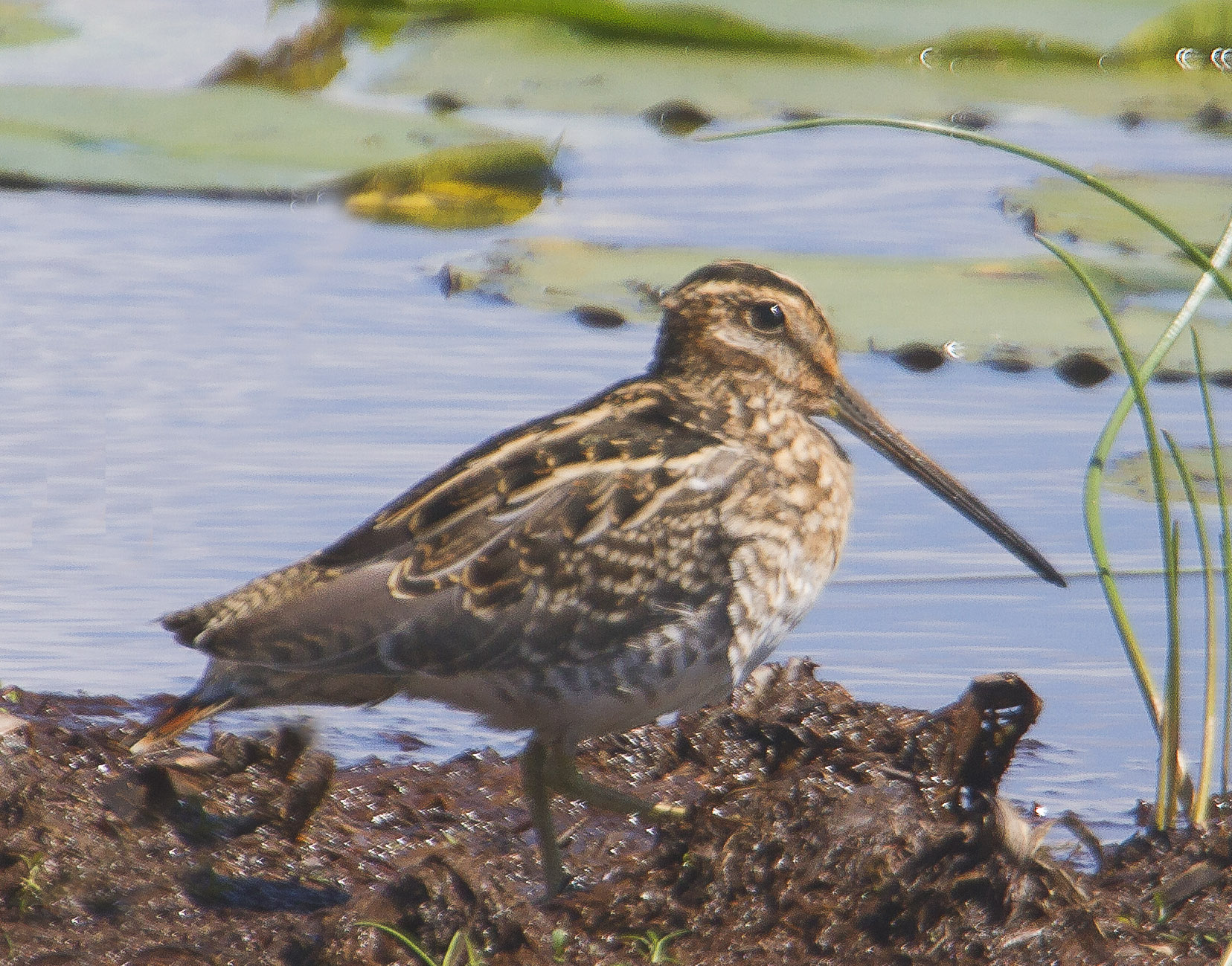 Friends, I didn’t start the day looking for Snipe, we were chasing the wildflowers, asters, goldenrods and other late summer bloomers, when our leader flushed some snipe off the mudflats. I went back later and these tiny birds were back on their muddy bottom again searching for food. I spent an hour watching them tilling the soil with those long bills and peering at their reflections in the water, and sometimes sleeping with their heads tucked backwards. They are tiny birds, one easily fitting in the hand but such a bright eye. Had to use all my telephoto length and plus a 1.4x extender to get a decent image. til Tomorrow MJ
Another Bittern
 Friends, this is how i most often see the American bittern, stalking thru the ponds hunting for food, the black stripe from the corner of his mouth and extending down his neck is a distinguishing characteristic of this stocky heron. He looks stocky in this image, but when alarmed or when hunting, he stretches his neck vertically and with the striping on his neck, he thinks that he blends in with the vertical sedges and cattails in the marsh. In the image below you can see the striping on his neck. til Tomorrow MJ

Green Grass Curtain
 Friends, this American bittern is hunting from the cover of a curtain of grasses, he/she waggles the white on his chin over the water, we think he uses his waggle like a fishing lure, when something is attracted to the wiggle waggle, he stabs his bill in and comes back with a small fish other small swamp critter. til Tomorrow MJ
Blue Wings
 Friends, this handsome fellow is a male blue winged teal, these ducks are dabblers and get their food from the vegetation around the ponds and marshes of Crex. They are particularly fond of wild rice that is a common grain in Crex Meadows. The Blue wings are one of the first birds to leave for South America so I expect that they won’t be around much longer. Fall is on the way! Crane time soon, sorry anna, til Tomorrow MJ
Alarmed Green Heron
 Friends, this green heron was alarmed by my presence, and i was alarmed when i got a closer look at this image, long after the bird had flown away, it was then that i noticed the feathers on the top of his head standing straight up on end. Usually when i see this green heron, his head feathers are slicked back (like Elvis) and he is peacefully hunting the shoreline for aquatic food. But when he discovered me, his feathers pointed the way and up he went. Live and learn til Tomorrow MJ
 MJ Springett