Blog Archives
Warning-Snake Inside
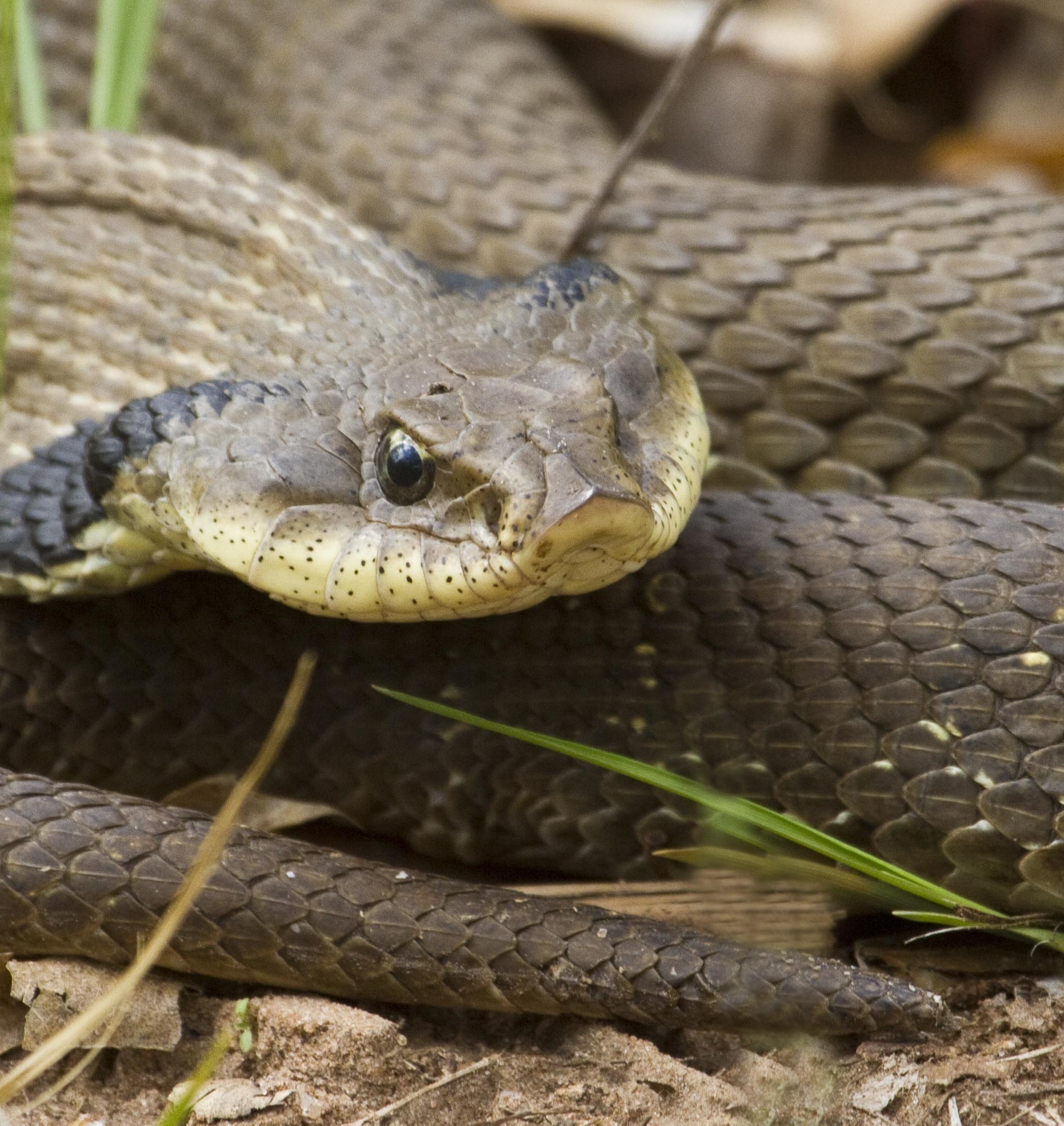
Friends, thought i would warn anyone with a weak heart and fear of snakes that this post contains a hog-nosed snake in the spring. This fellow was sitting by the road and our dog took a wide detour around him while the snake hissed at him. We seldom see the big boy dog afraid of anything, so we were startled by his attitude. These snakes can expand their neck region and hump up off the ground to present a scary sight. He does have a pretty hoggy nose, don’t you think? The image below shows this snake in a more aggressive pose, raised and ready to strike. He is not poisonous but has biting teeth. til Tomorrow MJ

Goslings on the water
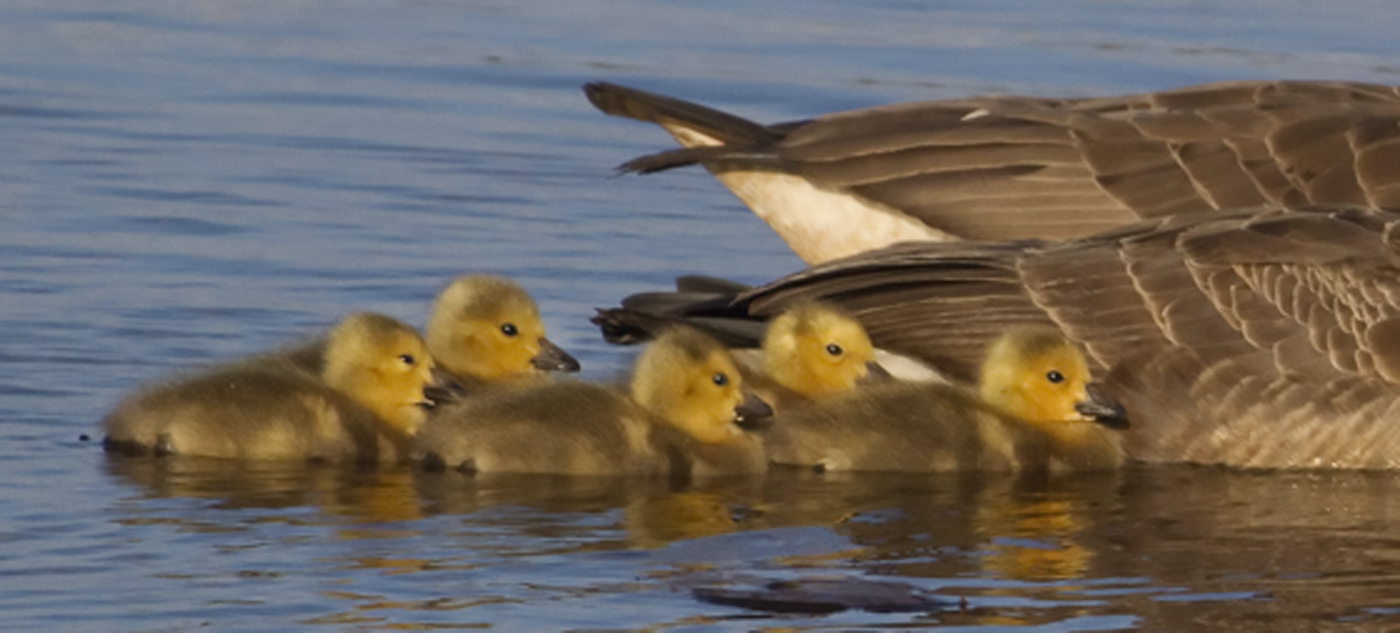
Friends, i call this image, “close to mom”, whenever anything appears threatening to these goslings (Canadian Geese) , they hudlle up behind their mom and off they go, like little speed boats. I love spring with all the little birds hatching all over the marsh of Crex. til Tomorrow MJ
Weekly Photo Challenge: Blue

Friends, these ring -necked ducks are motoring thru a field of blue. I haven’t figured out why they are called ring-necked ducks when the ring around the bill is by far more prominent than the very slight ring around the neck. But this image was inspired by Arthur Morris’s images of Pied-billed grebes with what he calls a “wake shot”. This is my “wake shot”. til Tomorrow MJ
Reflections-Orton Effect on Landscape:
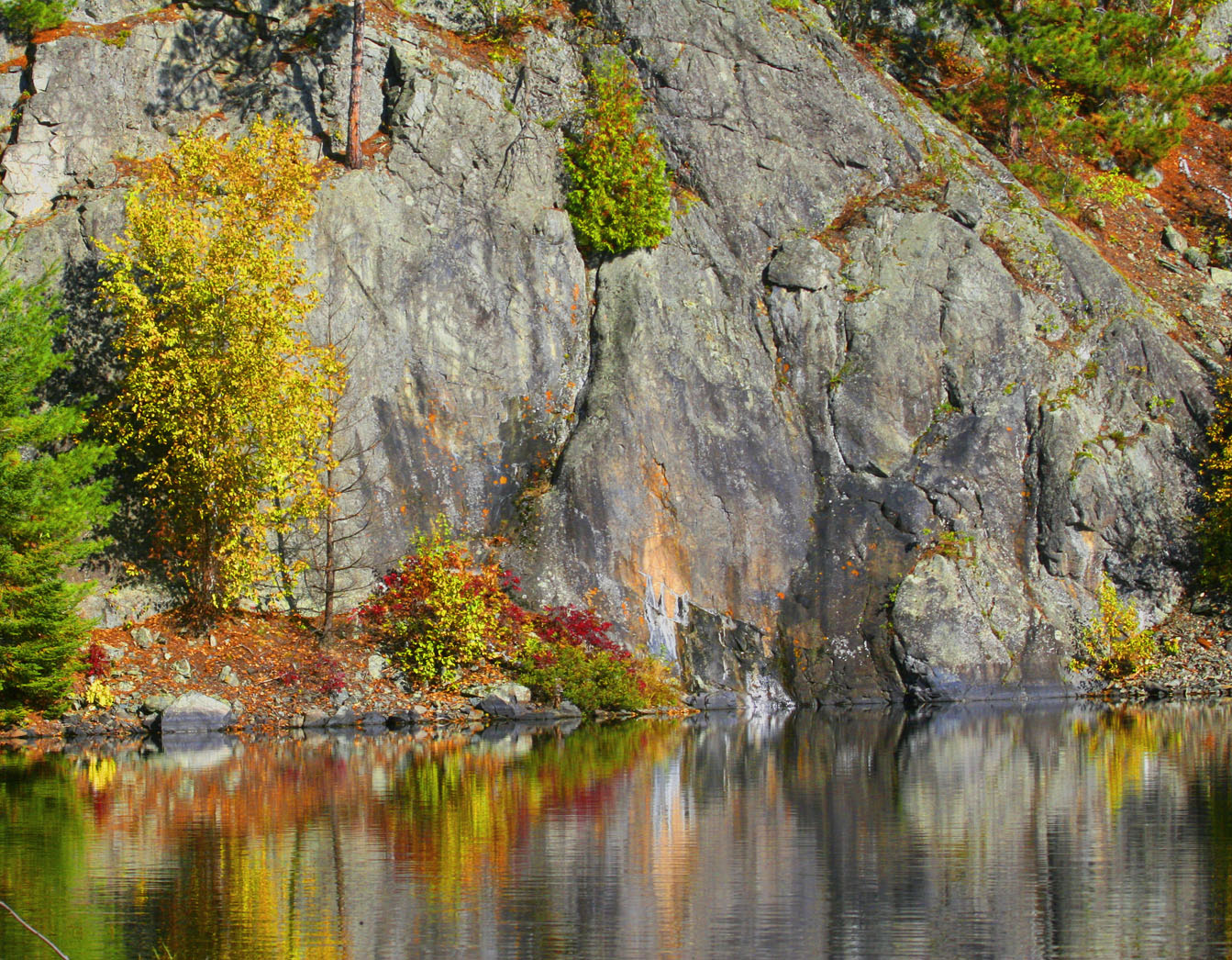
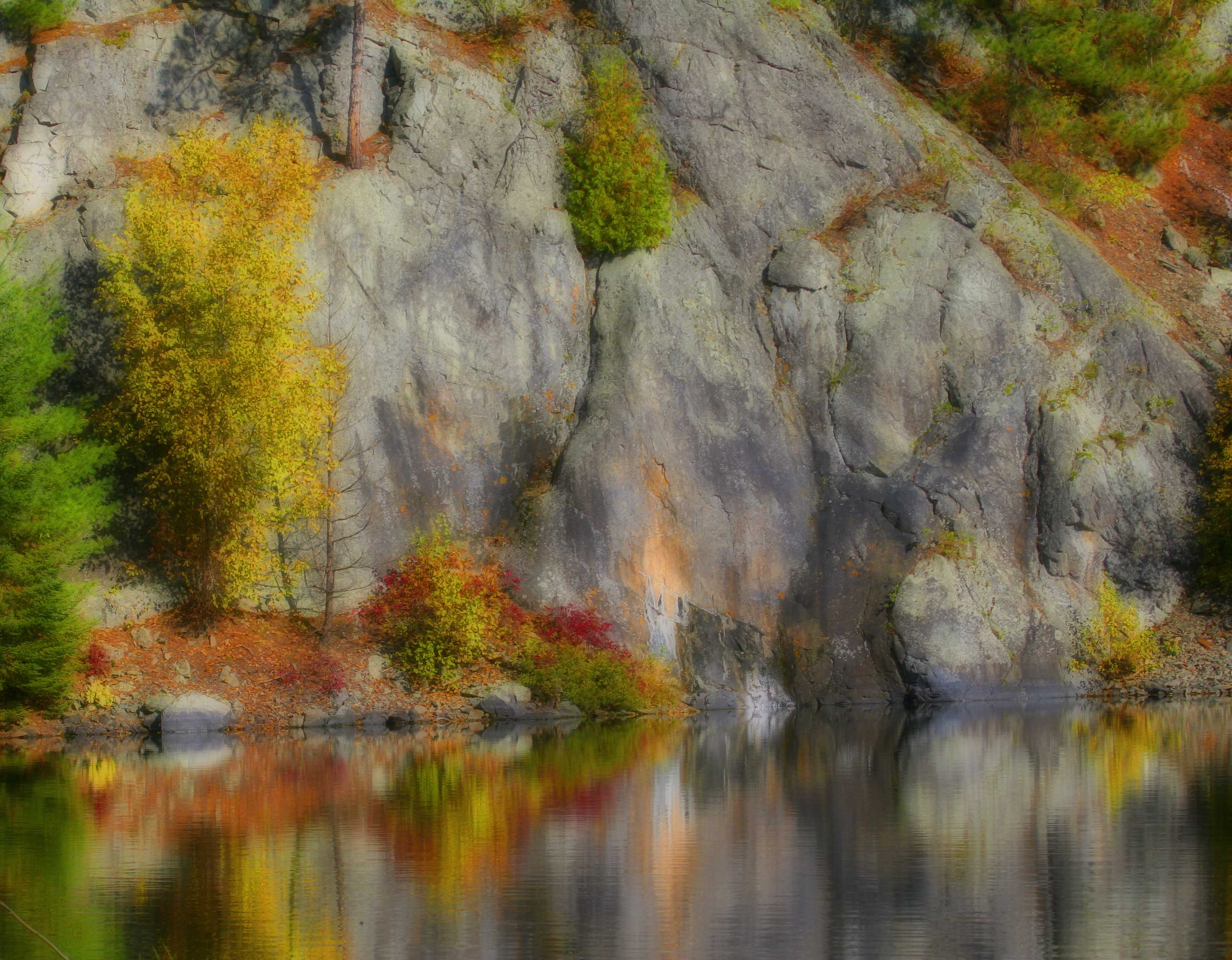
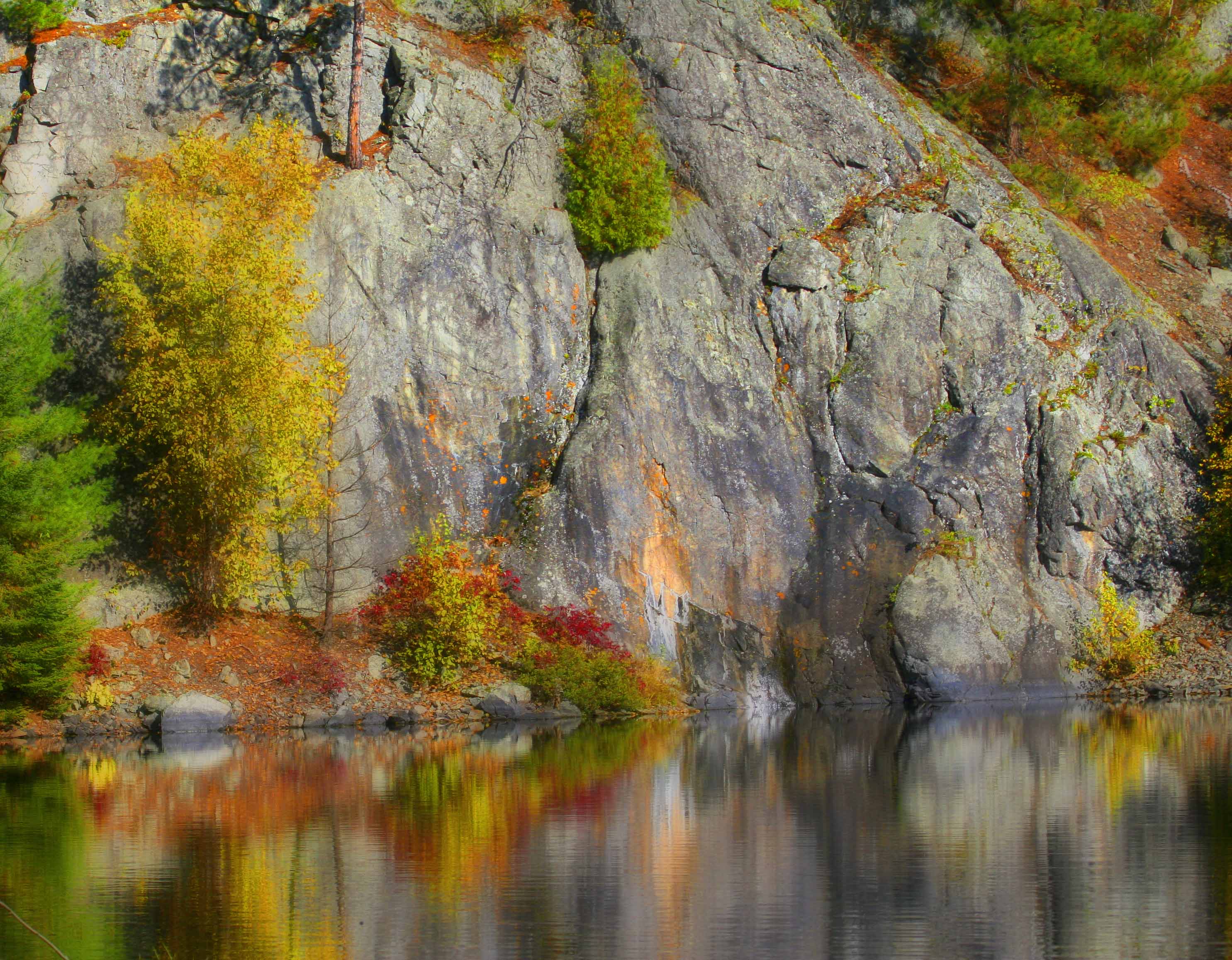
Friends, this image was taken in the Boundary Waters in Northern Minnesota. This area is famous for canoe trips thru wilderness lakes. The fall foliage and massive granite rocks make a good contrast and i loved the reflections. Now to experiment, the Orton Effect on the omage below, what do you think the original or the ortonized image? Or the third option which is a mix of the two sharp and soft images, What do you think? i entered this in a reflections challenge, it can be found at http://wheresmybackpack.wordpress.com/2012/05/12/reflections/ til Tomorrow MJ
Mom’s day trout lilies

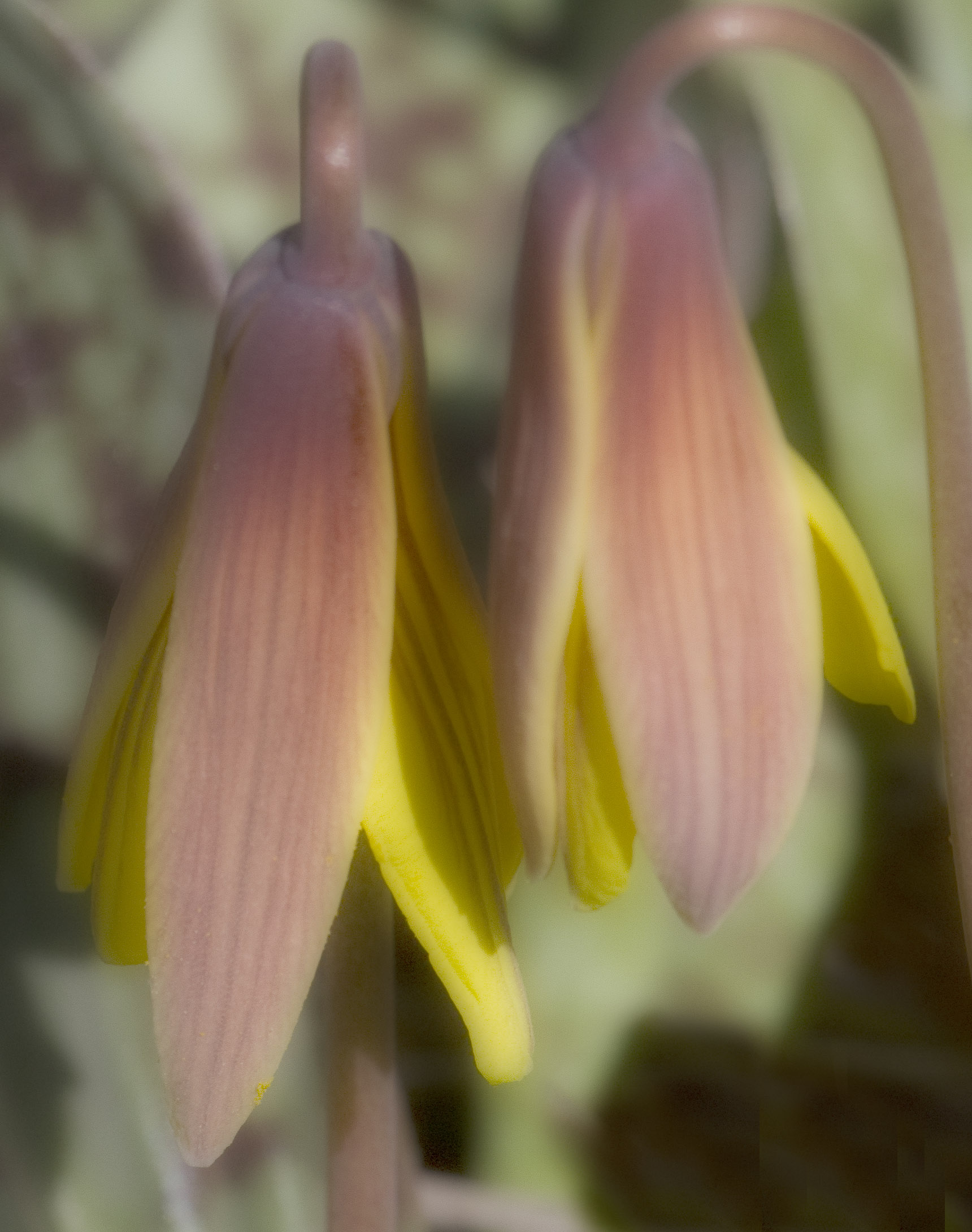
Friends, this tiny bloom is the trout lily that blooms early and in wet places. I did a macro approach to these blooms with the mottled leaves in the background, but the harsh reflections didn’t fit the image. Lately i have been reading a photo book, “The Softer Side of Macro” by Denise Ippolito. She talks about the Orton Effect , a photoshop technique that she uses on flowers. This trout lily blooms were Ortonized and I really like the softening effect but don’t like the dark background, need a high key image to try, maybe tomorrow. Stay tuned while i learn a new technique. Her Book is available as a pdf ebook on the Birds as Art website. Check it out, I did. Below is the second edition of trout lilies with the Orton effect. Am i improving? and to all Moms out there, Happy Mm’s Day til Tomorrow MJ
Not a duck- grebe
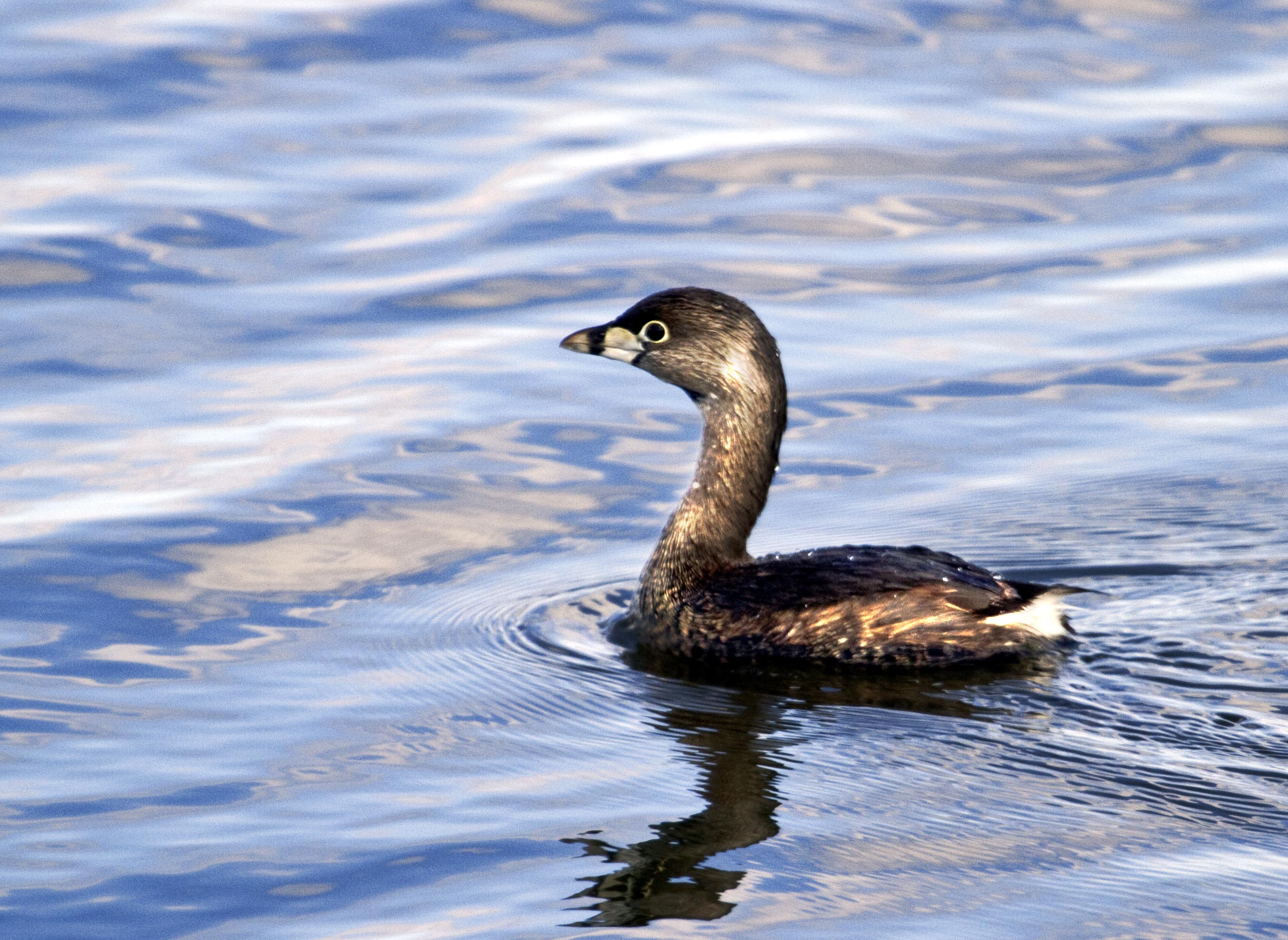
Friends, this small bird is not a duck, but a pied-billed grebe. I love this image not for the bird, but the lovely patterns on the water. Reflections of a partly cloudy sky or partly sunny, how do they differentiate between partly cloudy and partly sunny, guess it depends on whether the weather person is a pessimist or optimist 🙂 I myself prefer partly sunny , til Tomorrow MJ
Common Loon
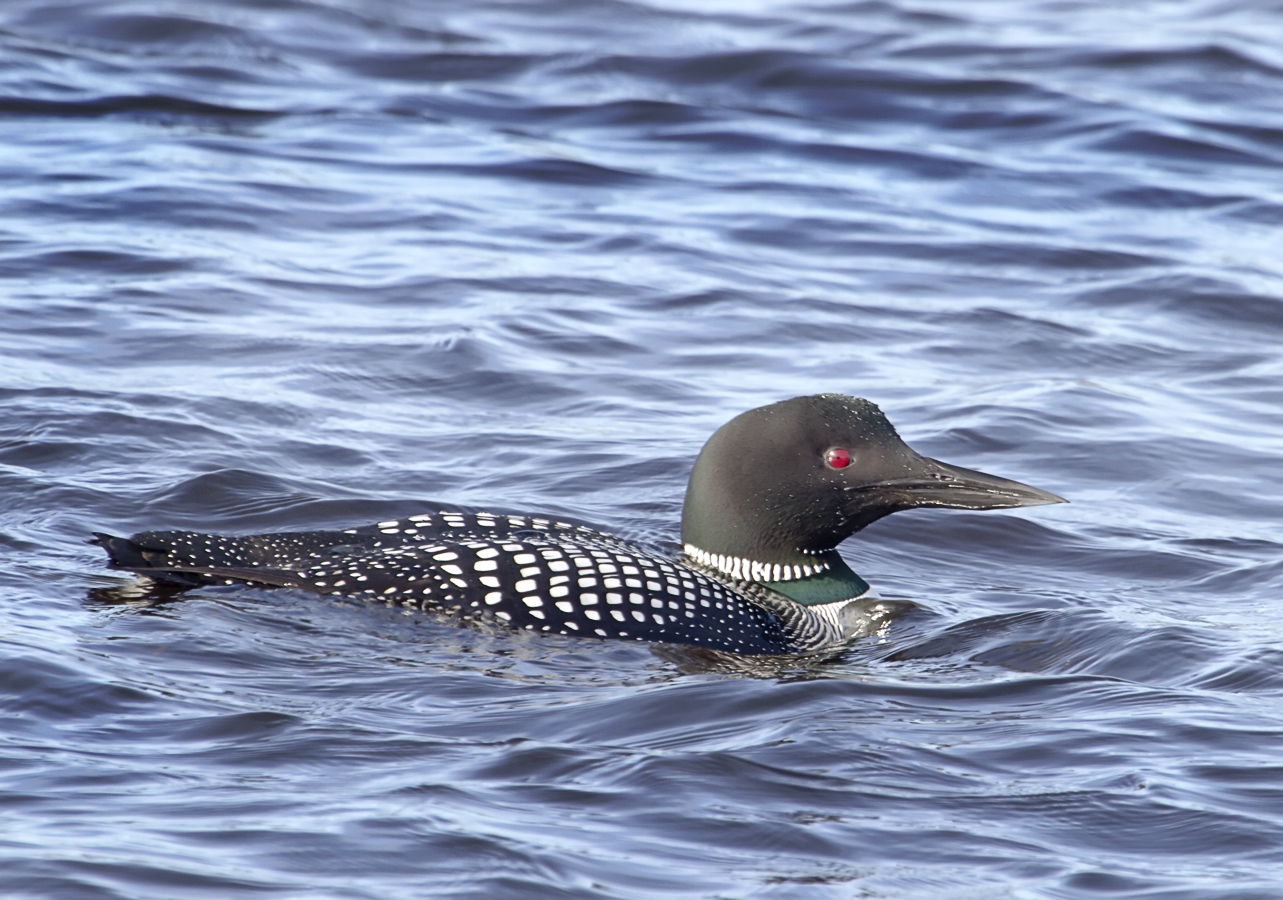
Friends, this black bird is a Common Loon, but he is far from commonly found. He and she only nest on lakes with no acidity, wilderness birds that rely on clean water and fresh air. They are difficult to photograph unless the light is directly on them, because their dominant color is black and a very dark green on their heads. When they are diving for food, they sit very low in the water. This one fishes in a channel where he passes very close to the road. We thank him for the wonderful image and move on, soon the loon couple will be carrying a chick on their backs as they swim the lake. til Tomorrow MJ
Dancing Cranes
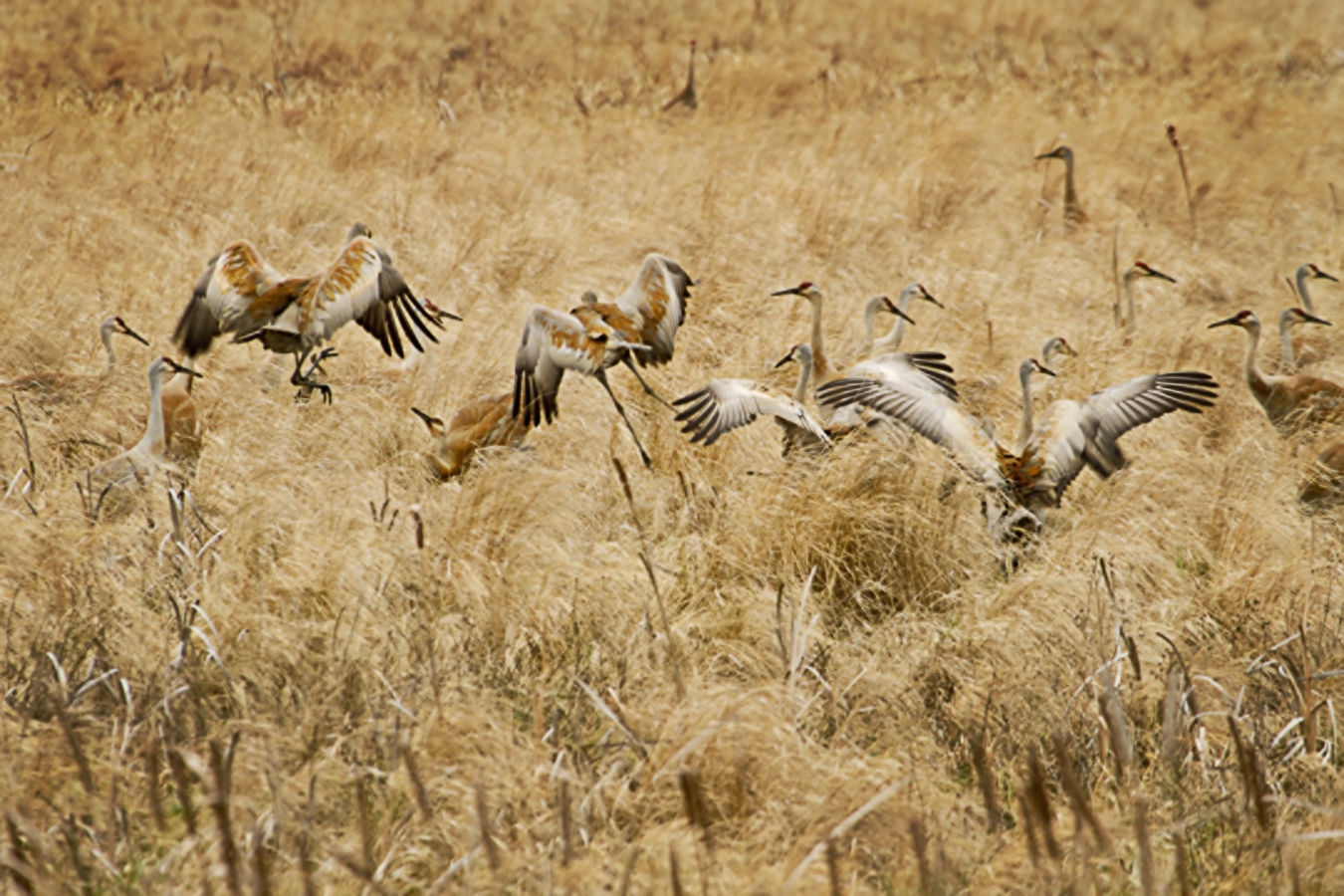
Friends, these greater Sandhill Cranes have just arrived from the south, and are so happy to be up north again. They are dancing and celebrating the coming of spring weather. Watching them dance inspires me to celebrate as well, so i turn up the country music playing on my radio 🙂 til Tomorrow MJ
Skunk cabbage

Friends, this is also one of the early blooms in Crex Meadows. It is Skunk Cabbage and grows in very wet ground along streams or flowages. I got my feet wet shooting this image, but i think it was worth the effort. The difficulty in this shot is portraying the pod-like bloom with the purple husk alongside the bright green of the huge leaves. The name skunk cabbage comes from its rotten smell when the plant is crushed or physically disturbed. I didn’t touch and left it undisturbed. til Tomorrow MJ
Pussy Willows
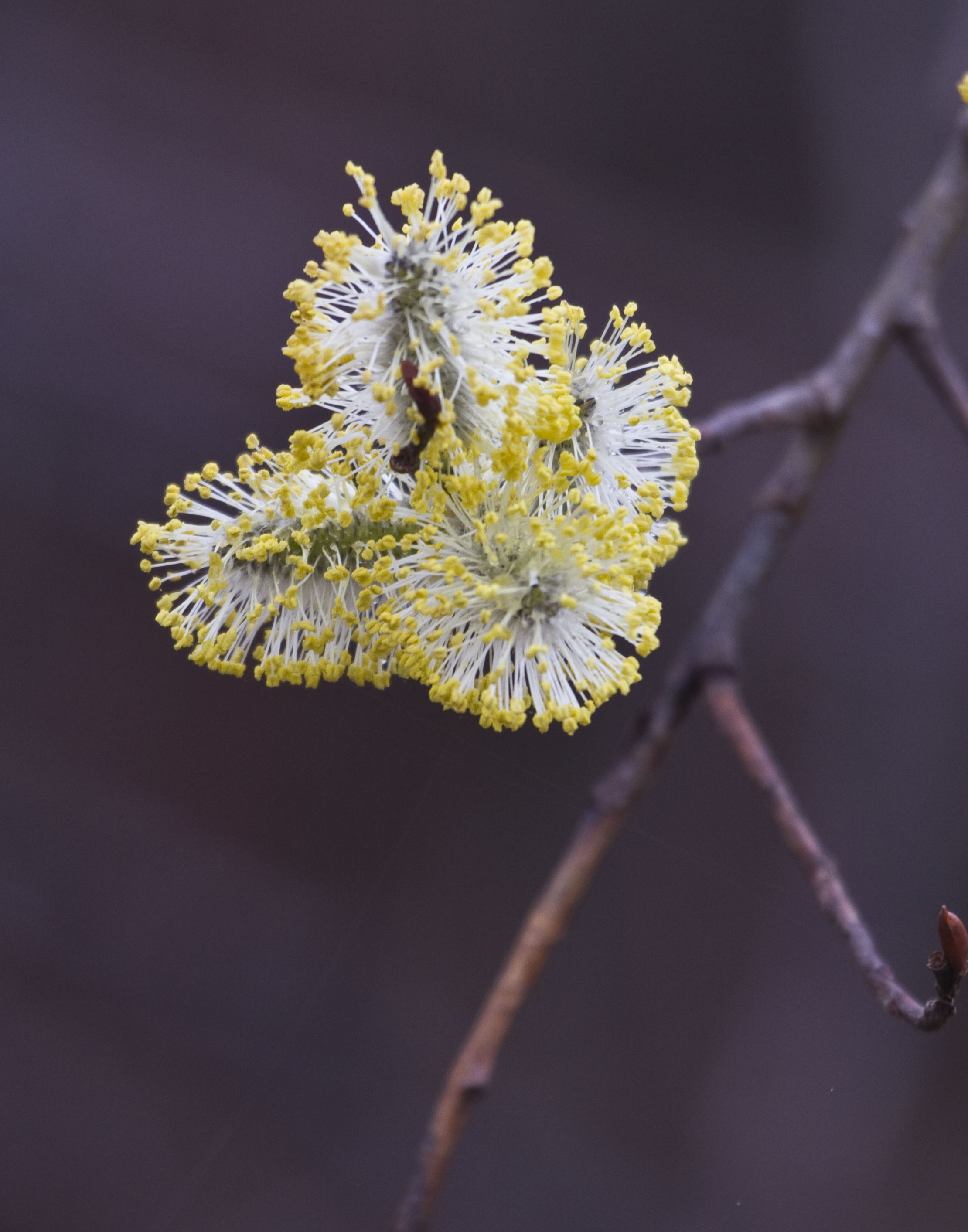
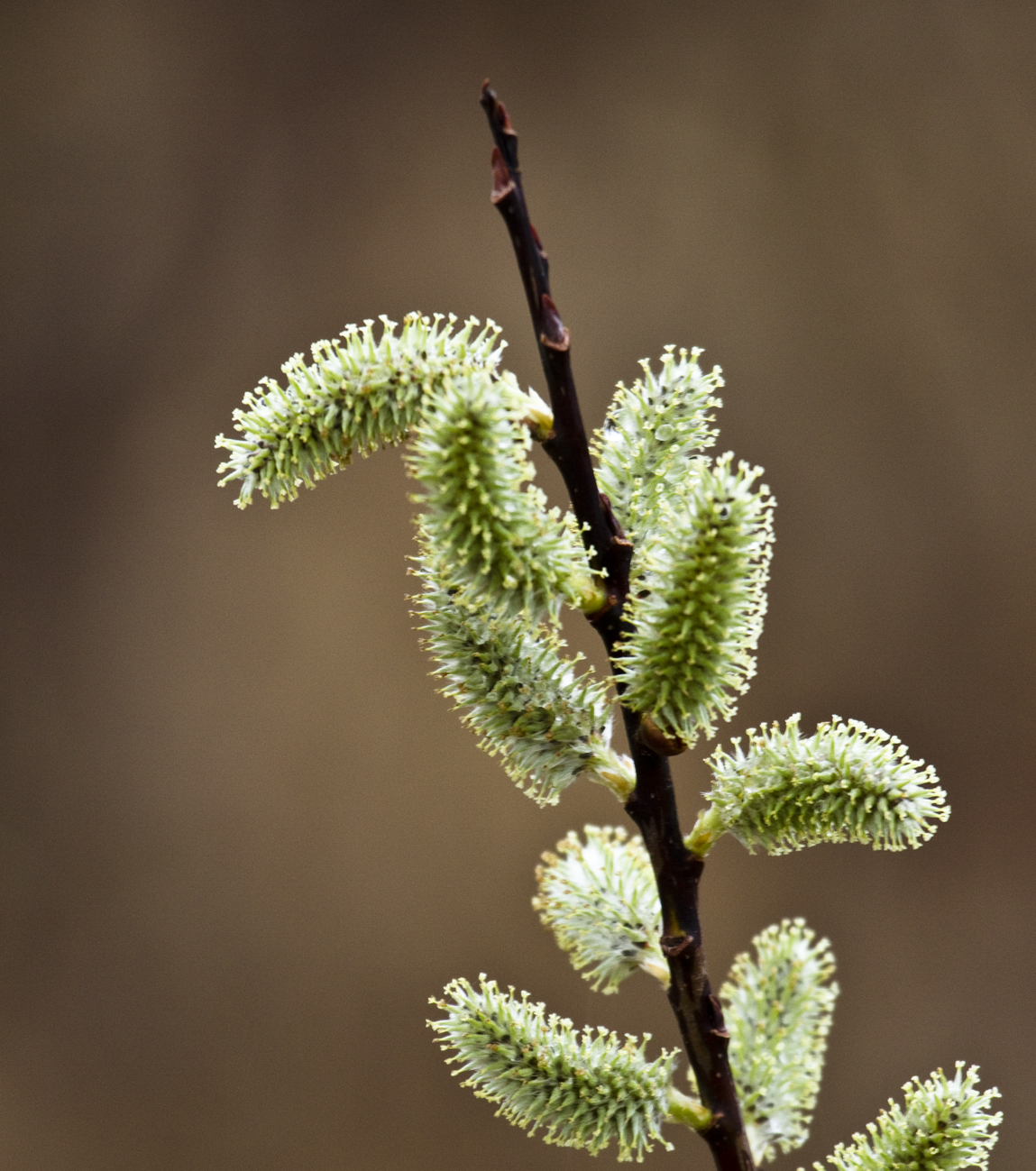
Friends, these pussy willows have gone to seed and all are rushing to be first in line to be photographed. They are really male catkins of the willow tree covered with stamens they appear very early in the spring. In Crex they are a dominant vegetation in the wet areas. Below is an image of an earlier version of pussy willows.
 MJ Springett