Category Archives: Wild flowers
Paint Brush-Castilleja
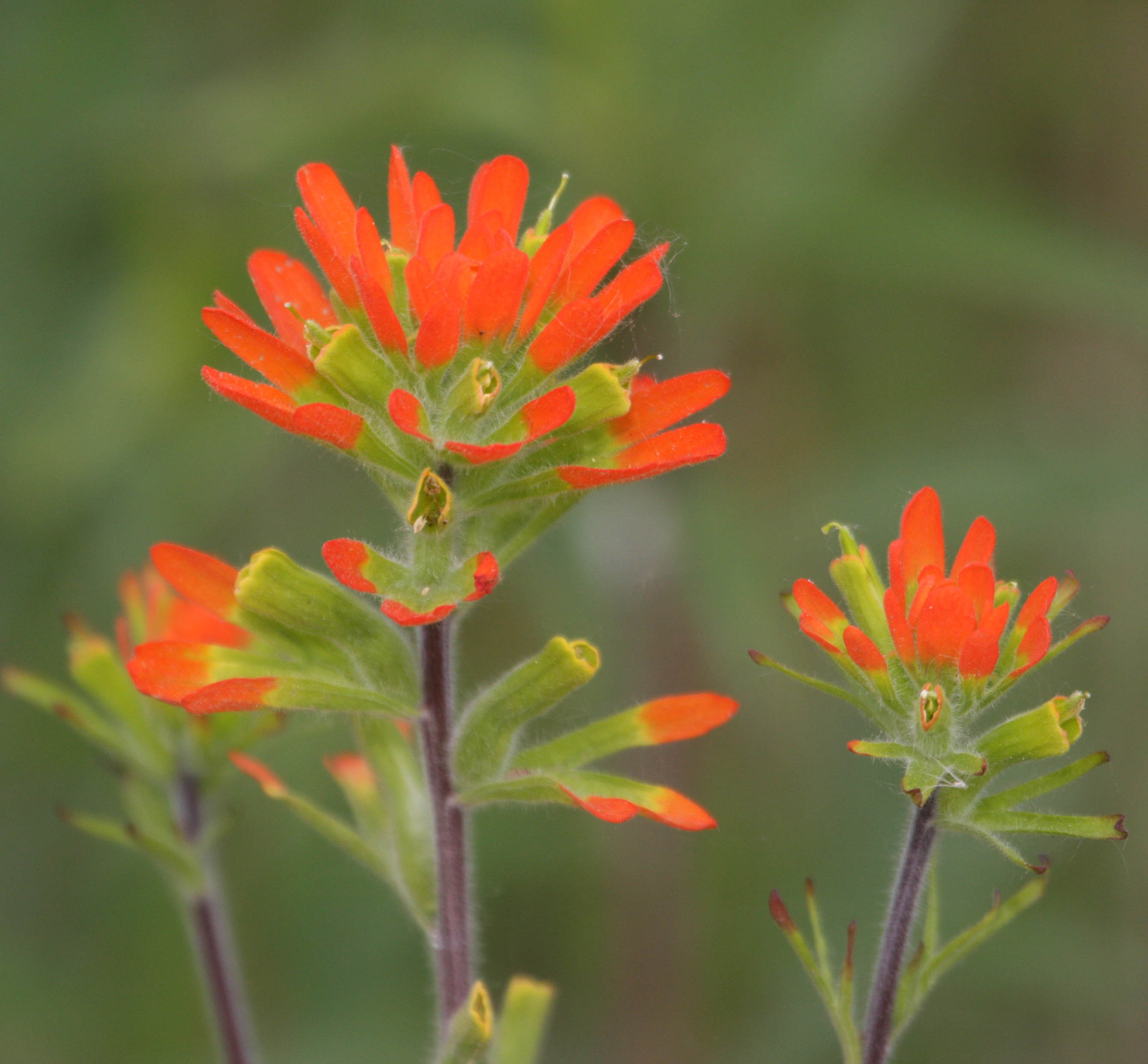
Friends, another wildflower, the Indian Paintbrush. This plant grows both in the badlands and here in Wisconsin on the sandy barrens. Over 200 species of Castilleja are found in many diverse environments. Another plant that concentrates selenium and can at the same time, be a nutrient and toxic depending on the amount ingested. A groups shot above and a close-up portrait below. With this flower, the photographer almost needs to subtract saturation from the image to make it realistic. This is one of my favorite wildflowers. til Tomorrow MJ

Butte Candle

Friends, This wildflower is called a butte candle and it grows right out of the scoria rocks that you can see in the background. This plant has several stems as seen above, and below image shows the whole plant orientation.
Typically many of the plants that grow in scoria are capable of concentrating selenium within their tissues. Selenium is a mixed bag as it is a required nutrient for some animals and at the same time, toxic in large doses. Selenium concentrations have been responsible for bird and fish poisoning. While its effect on cattle is well known, the effect on grazing wildlife is not well studied. The tiny hairs on this plant probably repel the grazers in the badlands and these plants are not abundant. Are the badlands wildlife safe from selenium? A research question. til Tomorrow MJ

Wildflowers-Miniatures

Friends, these tiny blooms (Globe Mallow) are often overlooked because they are very tiny and sit very close to the ground in the North Dakota badlands. To get this macro shot, one needs to lie on the ground with your nose very close to the blooms. The camera was fitted with a 90 mm macro lens. I did a little post-processing work to give it a fine art look, you know what that is, background dark and out of focus. 🙂 I love the bright orange colors and the blooms in all stages of opening, from the closed buds with their fine hair coverings to the full bloom. The insects must also like them as evidenced by the pollen spilled onto the petals. til Tomorrow MJ
Easter Lily-Badlands Style
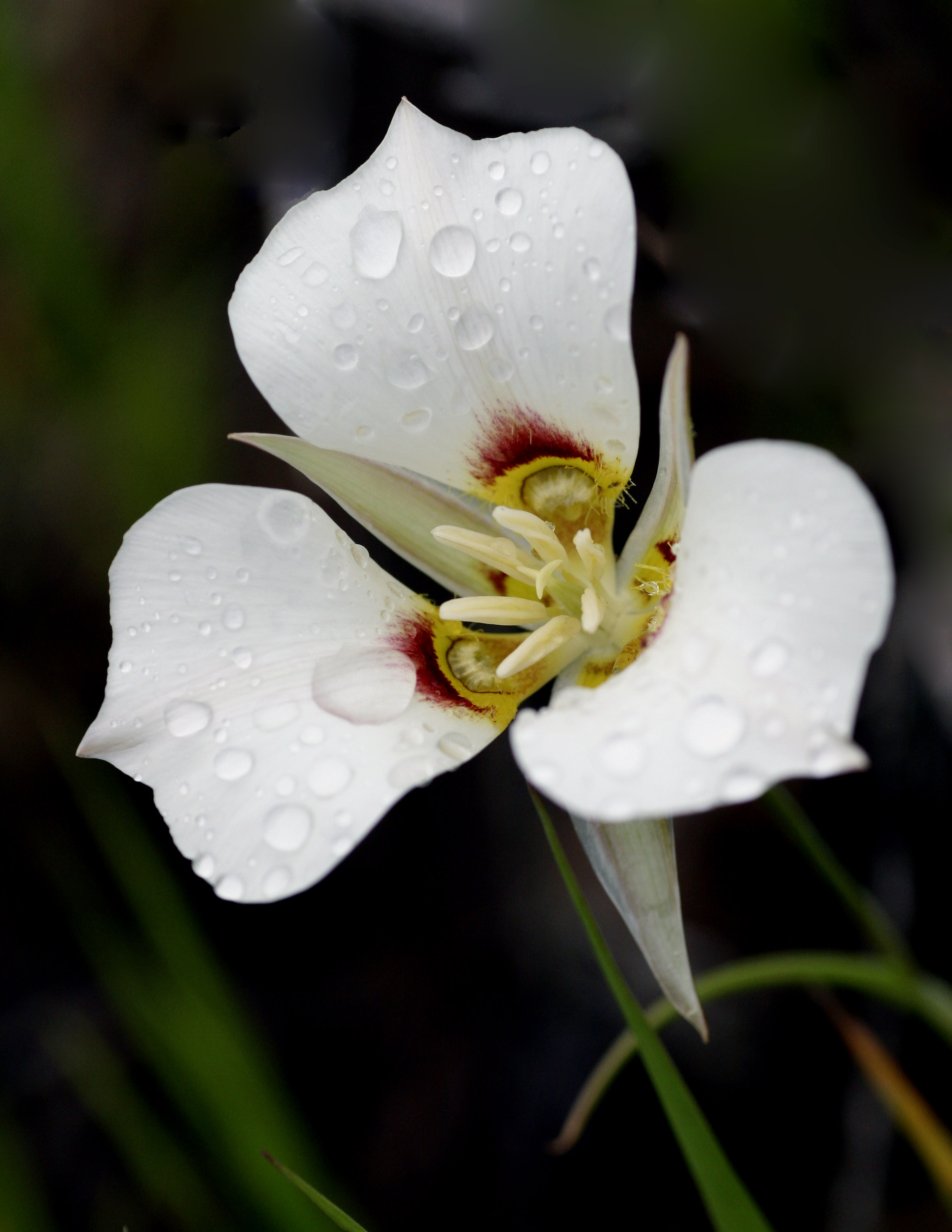
Friends, This is the Sego Lily that blooms in the Badlands in late June. The solitary plants grow among the grasses on tall stalks and are best viewed in the early morning after a over-night rainstorm. The raindrops and early light accentuate the colors and provide diffuse light for good wildflower photography. We had watched the sunrise at Scoria Point and on our way back to camp, found these lovely blooms. During this season when we are all looking at Easter Lilies, I thought I would show you my Lily in the Badlands. So Happy Easter! til Tomorrow MJ
My Passion-Finding Pincushions
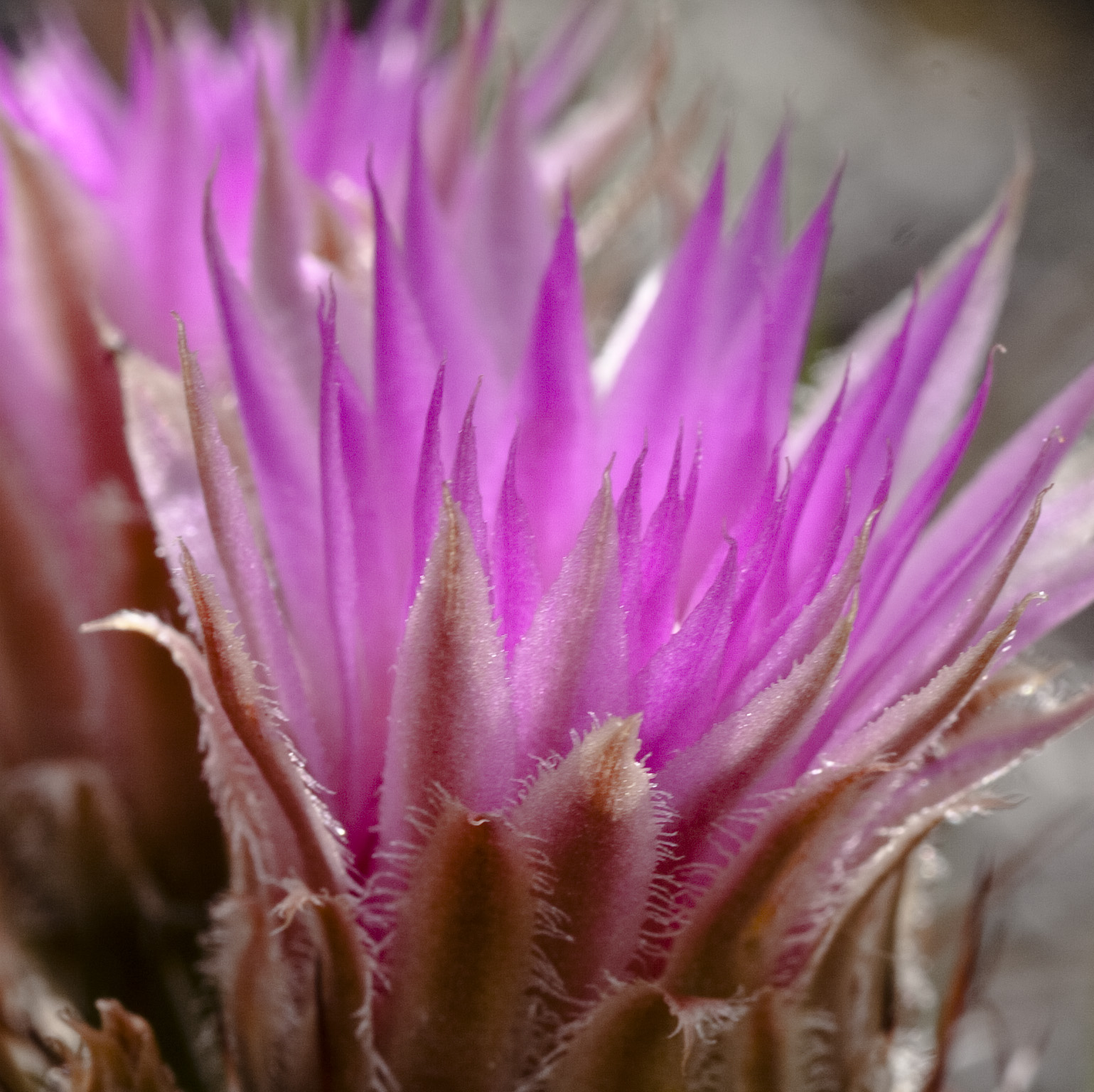
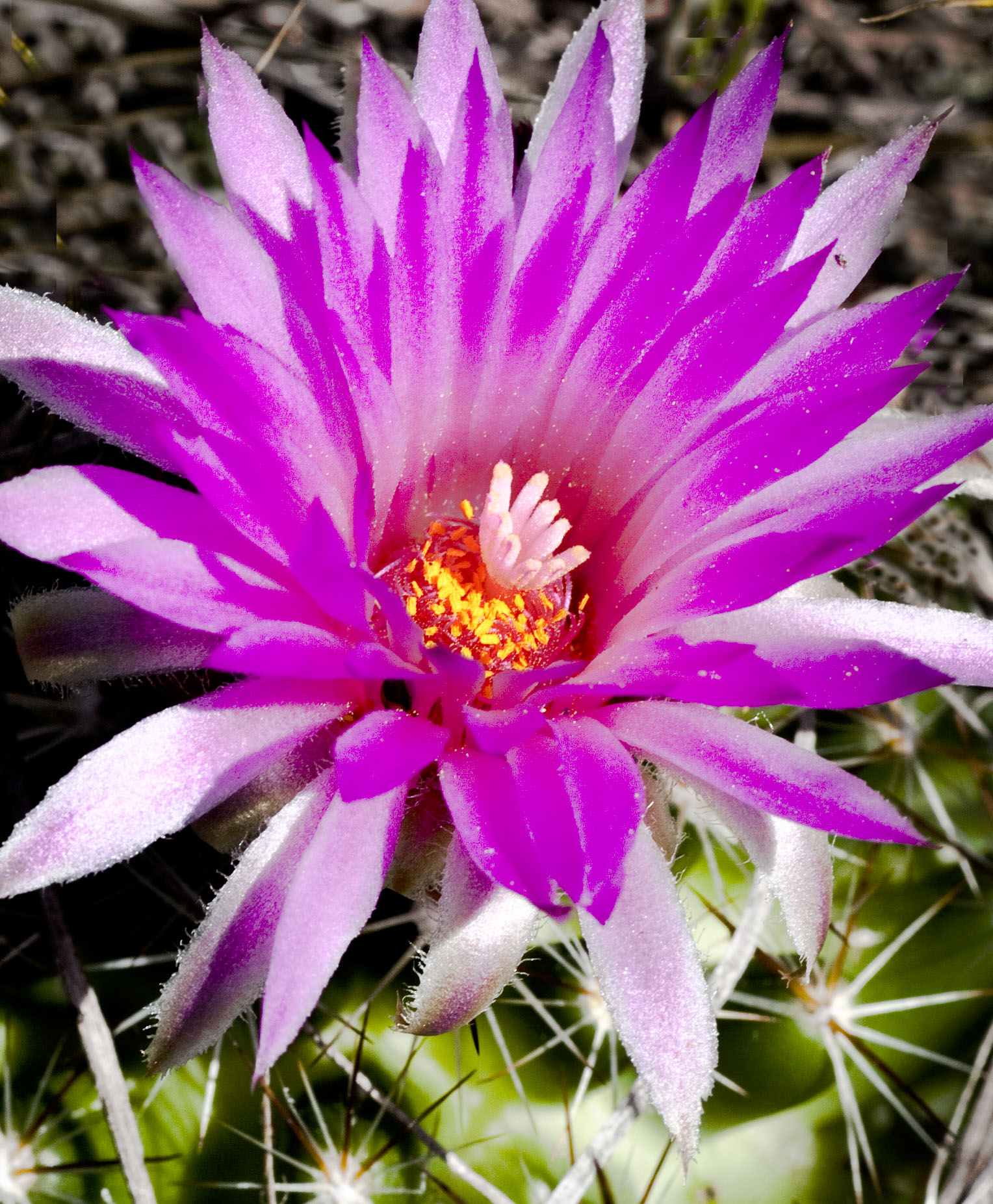
Friends, this is the wild flower of the pincushion cactus that blooms in June in the Badlands. They tend to grow in small groups that are few and far between. The plant is a small ball-shaped cactus and is often raised as a houseplant. But when discovered in the wild, you will marvel at their wonderful color. I love their color and filled the frame with a macro lens. When face to flower, I had to be careful not to get a prickly in the nose. I especially like the backlighting in this image, seems to bring out the smaller spikes in the middle of the bloom. You can better appreciate my macro techniques if you view the time-lapse of this cactus blooming on youtube, the link is http://www.youtube.com/watch?v=4jKj6aUdImc Below is a view of the bloom from overhead where you can see the cactus spines in the lower right hand corner of the image, enjoy. til Tomorrow MJ
Scoria Lily

Friends, this lovely bloom is often overlooked because it doesn’t bloom until evening and thru the night, then closes in the morning. Locally it is called the Scoria Lily and does grow straight out of the red rocks (scoria) on a spiny, prickly plant. The plant often has several blooms but is not really a lily. The technical name is Mentzelia Decapetalia and indeed the bloom has ten white petals. In this season of Lilies I thought I would share some Lilies of the Badlands, but saving the best for Easter morning. til Tomorrow MJ
Weekly Photo Challenge: Through

Friends, this thistle growing in the badlands is through blooming, the top bloom has gone to seed and the bottom bloom is in its full glory. This plant is 2-4 feet high perennial that grows on a dry plain, and if it is a native thistle, may be a wavy-leaved thistle. The white fuzz has seeds attached that are dispersed on a windy day to all parts. Many non-native thistle specie are invasive and farming practices are directed toward eliminating thistles from grain fields. But the native thistles are strongly linked to bees and butterflies life cycles and may have some medicinal benefits to humans. Thistles are also valuable to survival of goldfinches. They line their nests with the fuzz and feed the processed seeds to their young. I do not know if this is a native or non-native thistle, but next time I see such a plant, I will look more closely. The underside of leaves of native thistles have a whitish appearance and are covered with tiny hairs. So ends the botany lesson for the day. til Tomorrow MJ
 MJ Springett